

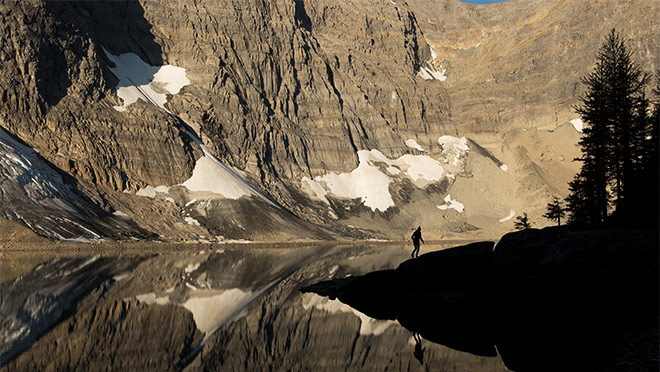
 Whether you're hiking, camping, paddling, or swimming, following "Leave No Trace" principles helps protect B.C.'s recreation areas for everyone to enjoy.
Enjoying the outdoors while "leaving no trace"
Summer is the perfect time to get out and enjoy the great outdoors. And our recreation areas are the perfect choice to experience and enjoy the beauty of nature. As visitors who appreciate natural environments, it's important to ensure both that these outings are safe for you and also don’t cause harm to the environment.
"Leave No Trace" principles were developed over fifty years ago to help educate more people on the impact of recreation on natural environments as more people started exploring the outdoors for fun. That said, the general principle of treading lightly on the Earth and caring for the natural environment certainly isn't new. All of our recreation areas are on Indigenous traditional territories which Indigenous Nations have lived on since time immemorial.
Outdoor environments can experience strain from lots of visitors. That's why it's important to ensure you're leaving a light footprint during your visits so that the natural environment we all love can be maintained and preserved.
Preparation is key to a safe summer adventure
Planning ahead is an essential part of having a safe and responsible time outdoors. Start by checking the recreation area's hours of operation before heading out to make sure your trip falls within open hours. Next, remember to check the forecast to make sure you can plan for the weather on the day of your outing. Remember that weather can change quickly. It's always a good idea to bring raingear and sun protection like sunscreen and hats even if you don't necessarily think you'll need them.
Sometimes there's nothing like a dip in a lake to cool off during the hot summer months. Most of our recreation areas don't have any lifeguards, except Buntzen Lake and Hayward Lake. It's very important to keep yourself safe while swimming and being near the water. Keep these tips in mind:
- Always avoid alcohol before swimming
- Children and anyone who can't swim should wear a personal floatation device (PFD)
- Be aware that hazards can be concealed under the surface of the water, so be careful about jumping into the water
If you're planning to go boating, it's best to be prepared even if it doesn't seem necessary. Remember to:
- Wear a PFD while on board
- Bring a whistle or other noisemaker that can be used to signal for help
- Steer clear of any safety booms, buoys and any parts of a dam
- Keep in mind that water levels and flows may change suddenly and unexpectedly
If you're planning to go for a hike, make sure that you've planned enough time to complete your route (including return time) during daylight and during hours of operation. Getting caught out still hiking after dark or after operating hours can be a dangerous situation, and it's best to overestimate the time you think you'll need to complete a hike to avoid being short on time. Let someone know where you're going and how long you expect to be gone.
Take some time to educate yourself ahead of time on what to do if you encounter wildlife like bears, coyotes, and cougars so that you'll be ready if you do run across them. Never feed any wild animals that you encounter and avoid any confrontations.
Make sure you've brought the essentials you'll need while you're on your hike. A classic list of "Ten Essentials" was assembled by an outdoor group called The Mountaineers almost a century ago. These essentials can be interpreted as different categories of items today:
- Navigation: a map, compass or GPS
- Headlamp
- Sun protection: sunglasses, sunscreen, and UV protective clothing
- Fully stocked first aid kit
- Knife
- Fire supplies (remember to keep campfire safety in mind)
- Shelter
- Extra food
- Extra water
- Extra clothing
Stay in designated areas
Whether you're setting up camp, going for a hike, swimming, or boating, always stay within designated areas and keep out of any restricted areas by obeying all signage. Remember that our recreation areas are around working dams and hydroelectrical facilities. This will help to ensure that you stay safe and also that you're not inadvertently causing harm to any plants or wildlife.
Bring home photos and memories, not natural objects
It can be tempting to want to bring items that you find outdoors home with you, like rocks, branches, or plants, but it's important to leave these items where you found them. Our recreation areas can receive a high volume of visitors, so if visitors remove even small natural objects from these areas, it would have a big cumulative impact on the ecosystem. Instead, consider taking photos of the objects you admire for the memories and then leaving them where they belong.
Pack out what you brought in, including trash
The beauty of the natural environment is a big part of what many visitors enjoy about recreation areas. To preserve these areas, it's important to make sure you're not leaving any waste behind when you leave. Ensure you're disposing of waste in the appropriate containers, or else bringing it home with you. Making sure to take everything back with you that you brought on your outing will help to preserve the area for other visitors to enjoy.
Minimize campfire impacts
Always check the current campfire regulations in the area you're visiting. As summer brings wildfires to B.C., it's very important to follow any campfire bans or restrictions that are in place.
When campfires are permitted, make sure you follow fire safety rules in order to keep yourself, other visitors and the natural environment safe:
- Contain the fire within the designated metal ring
- Only use a campfire to cook food and to stay warm; don't burn garbage in a campfire
- Don't light a campfire if there are high winds
- Fully extinguish the fire when you're done
Be mindful of pets
We can't forget the importance of being mindful of our furry friends when we bring them along to enjoy the outdoors with us. Ensure you're keeping any pets with you under control so that they don't interact with any wild animals. Keeping them within any areas that have been designated for pets, obeying leashing signage and being considerate of other visitors will also help to ensure that your pets have a safe time while treading lightly.