Stave Lake
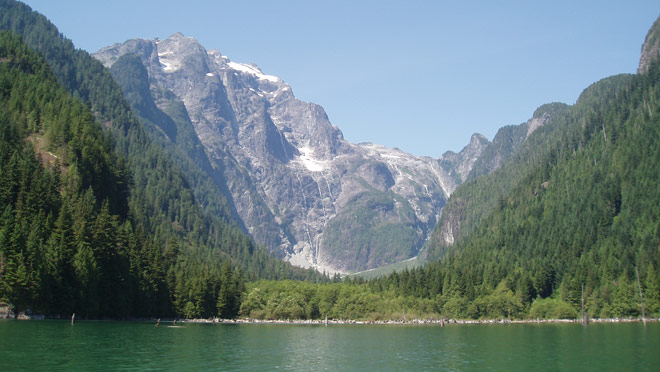
Aquatic access to a wealth of recreation
In the north central Fraser Valley is BC Hydro's Stave River hydroelectric project. The Stave Lake reservoir is bounded by the Stave Lake Dam. Downstream is the Hayward Lake reservoir and the Ruskin Dam.
Many recreational activities can be enjoyed in the area, from boating, fishing and swimming, to picnicking, hiking and mountain biking.
Stave Lake is located on the traditional territory of Kwantlen First Nation.
Where it is and how to get there
Access and directions
Get directions to the Power House at Stave Falls Visitor Centre, the Stave Lake boat launch, the Hayward Lake reservoir recreation area and the Ruskin Dam & powerhouse, all of which are about 60 kilometres east of Vancouver.
Stave Lake Boat Launch generally remains open year round, road and weather conditions permitting. Please refer to the table below for the year-round operating hours.
| Dates |
Open | Close |
|---|---|---|
| January 1 to February 5 | 8:00 a.m. | 5:00 p.m. |
| February 6 to March 11 | 8:00 a.m. | 6:00 p.m. |
| March 12 to April 30 | 8:00 a.m. | 8:00 p.m. |
| May 1 to September 4 | 8:00 a.m. | 9:00 p.m. |
| September 5 to September 25 | 8:00 a.m. | 8:00 p.m. |
| September 26 to October 15 | 8:00 a.m. | 7:00 p.m. |
| October 16 to November 4 | 8:00 a.m. | 6:00 p.m. |
| November 5 to December 31 | 8:00 a.m. | 5:00 p.m. |
Parking is on a first-come, first-served basis.
Recreation information
BC Hydro's recreation area provides parking, washrooms and pit toilets.
Facilities at Stave Lake include:
- A boat launch complete with a double- wide concrete ramp to low water and floating docks
- Fishing
At this time, the Stave Lake Reservoir lodge and campsite is closed indefinitely while the area and structures undergo an engineering and structural assessment.
Recreation area rules & safety information
No open fires allowed. Only propane barbecues are permitted - charcoal or briquette barbecues are prohibited. Please remove all used or empty propane cylinders from the recreation area and take them to an appropriate recycling facility. Contact Recycling BC at 604 732 9253 to find a location near you.
These recreation areas are provided for your use and enjoyment by BC Hydro. Please respect the facilities and natural environment by observing the following rules:
- Deposit all refuse in the containers provided.
- Pets are welcome at the park but must be on a leash at all times. They are prohibited on the Hayward Lake Reservoir beach area.
- Firearms and hunting are prohibited in the recreation area.
- Vehicles left overnight on BC Hydro property may be towed at the owner's expense.
- Trails are closed to all motorized vehicles. The Reservoir Trail is closed to bicycles.
- Hayward Lake Reservoir is reserved for canoes and non-motorized boats (electric motors permitted). Stave Lake permits motorized boats.
- The consumption of liquor in public places is prohibited.
- For your own safety, avoid designated danger zones and observe all posted signs.
- Follow the campfire safety rules for general safety tips.
Hydroelectric production creates special concerns for visitor safety. Please note the following:
Hydroelectric operations
- Avoid the designated hazard areas above and below Stave Falls and Ruskin Dams and obey all posted signs. Water releases occur downstream and strong surface and underwater currents are created upstream. Swimming, boating or fishing in these areas is extremely dangerous.
- On Stave Lake Reservoir, fluctuating water levels may create dangerously shallow channels for boats and expose stumps that are normally hidden. Floating debris may also be encountered.
Shoreline users
- Changes to Stave River levels occur suddenly and without warning. Flooding may occur in low-lying areas and create dangerous conditions for fishers and other shoreline users. For your own safety, observe posted signs and be aware of rising water levels. All bodies of water (lakes, rivers and streams) represent a potential danger. Please note the following:
Boating/Canoeing safety
- An approved personal flotation device (PFD) is required by law for each person on board any boat or canoe. This includes inflatables. Remember, it won't work if you don't wear it. A sound signalling device, such as a whistle, is also required by law. Further requirements are outlined in the Canadian Coast Guard's Safe Boating Guide.
- Don't overload your boat or canoe with people or gear.
- Watch the weather. Check the weather forecast before starting out. Be alert for the wave, wind, cloud changes that signal bad weather approaching.
- Cold water robs body heat 25 times faster than air at the same temperature. Stave Lake Reservoir, Hayward Lake Reservoir and the Stave River are cold enough to threaten your survival. Wearing your PFD increases your survival time.
- Be off the water one-half hour before posted closing times. DON'T GET LOCKED IN!
- There are no lifeguards on duty at Stave Lake and Ruskin recreation areas. In the event of an accident, contact the recreation area staff and phone 911. Visitors are required to obey the safety directions of all onsite BC Hydro Recreation Area Staff or leave the recreation area.
- Never leave children without proper supervision while they are in or near the water. Children or non-swimmers should wear a personal flotation device.